André MassonBodies, Cities, Kingdoms
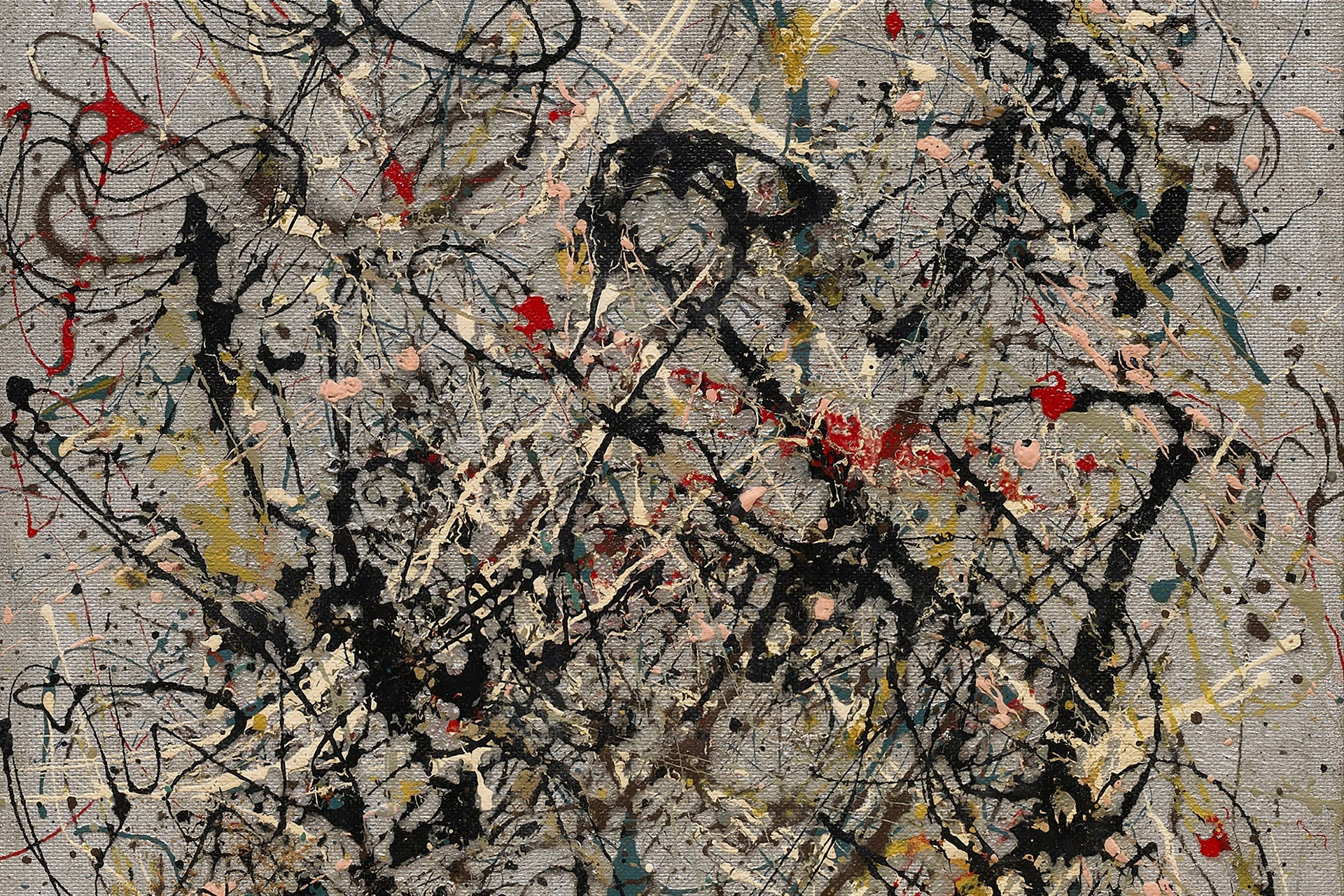
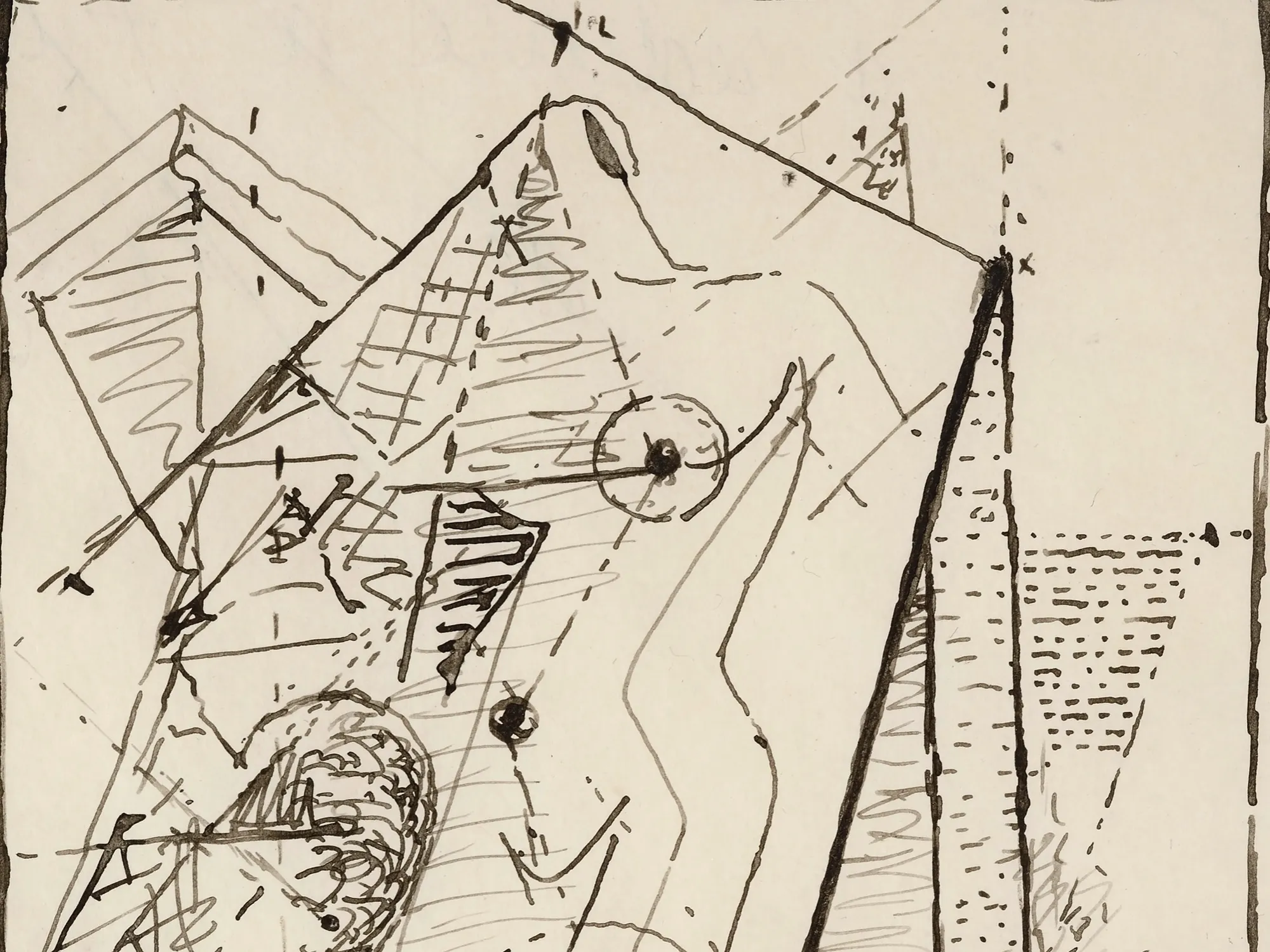
André Masson: Bodies, Cities, Kingdoms brings together six defining drawings made between 1924 and 1941, tracing the artist’s transformation of line from automatic impulse into a language of metamorphosis. For Masson, drawing was never simply preparatory. It was a field of emergence, where forms appeared before they hardened into fixed identity. Beginning with the automatic line of the 1920s and moving through the charged imagery of the 1930s and early 1940s, these works show paper as one of Masson’s most vital arenas of invention, a place where body, mind, architecture, and nature could pass into one another.
The title names the three territories through which the presentation unfolds. Bodies appear first, exposed to pressure, desire, memory, and transformation. In Massacre and La chambre III, the figure is never stable; it fragments, recoils, masks itself, or becomes an interior chamber. Cities emerge when anatomy turns architectural, most clearly in La ville crânienne, where the skull becomes a labyrinthine structure and consciousness takes spatial form. Kingdoms opens the sequence outward, toward Masson’s unstable natural order, where animal, vegetal, mineral, marine, and invented forms enter into a shared field of relation.
Historically, these drawings belong to decades of profound artistic and intellectual change, but their force is not documentary. Masson does not illustrate history directly. Instead, he transforms instability into form. The visible world becomes porous: bodies lose their borders, heads become cities, nature refuses classification, and the sea withdraws to reveal what had been concealed beneath the surface. This is the deeper modernity of the group. It does not reside in machines, speed, or urban spectacle, but in the recognition that form itself is unfinished, alive, and subject to continual change.
Seen together, the drawings offer a concentrated view of Masson as one of the twentieth century’s great artists of metamorphosis. His line may begin in automatism, but it becomes something larger: a way of thinking through relation, transformation, and psychic space. Across these sheets, drawing discovers rather than merely describes. It constructs bodies, chambers, skull-cities, natural kingdoms, and marine worlds with an intelligence that remains restless and precise. Bodies, Cities, Kingdoms presents Masson not only as a central figure of Surrealism, but as an artist for whom the visible world was never fixed, and drawing was the means by which its hidden structures came into view.
Bodies
Masson’s bodies never remain entirely contained by their outlines. They are constructed, exposed, entangled, and subjected to forces that move between desire and violence, discipline and release. From the measured armature of Dessin automatique to the charged field surrounding the figures in Massacre, the body becomes the place where structure begins to loosen and drawing acquires a life of its own.
Cities
In these drawings, the head becomes a structure that can be entered, divided, illuminated, or destroyed. Mask, chamber, skull, and city cease to be separate forms. Anatomy turns architectural, while architecture acquires the vulnerability of a living body. Masson gives consciousness walls, apertures, rooms, and foundations—and reveals how unstable those constructions can be.
Kingdoms
The third and final chapter opens beyond the human body into a world where animal, vegetal, mineral, marine, and architectural forms continually exchange identities. Masson does not organize nature into stable categories. He follows the correspondences that allow a flower to acquire a mouth, a leaf to look back, a skull to grow branches, and a landscape to behave like a living body.
Seen together, these six drawings chart a movement from construction toward metamorphosis. Bodies escape their armatures, heads become chambers and cities, and nature dissolves the boundaries between its kingdoms. For Masson, drawing was not the description of a finished world. It was the means by which an unfinished world could reveal its hidden relations.
Andre Masson: Bodies, Cities, Kingdoms
André Masson: Bodies, Cities, Kingdoms brings together six drawings made between 1924 and 1941, tracing Masson's transformation of drawing from automatic impulse into a language of metamorphosis.
Request a Private Viewing
Selected artworks are available for private viewing by appointment. Please contact us to request further information, discuss individual works, or arrange a private meeting with the gallery.