
André Masson
France · 1896–1987
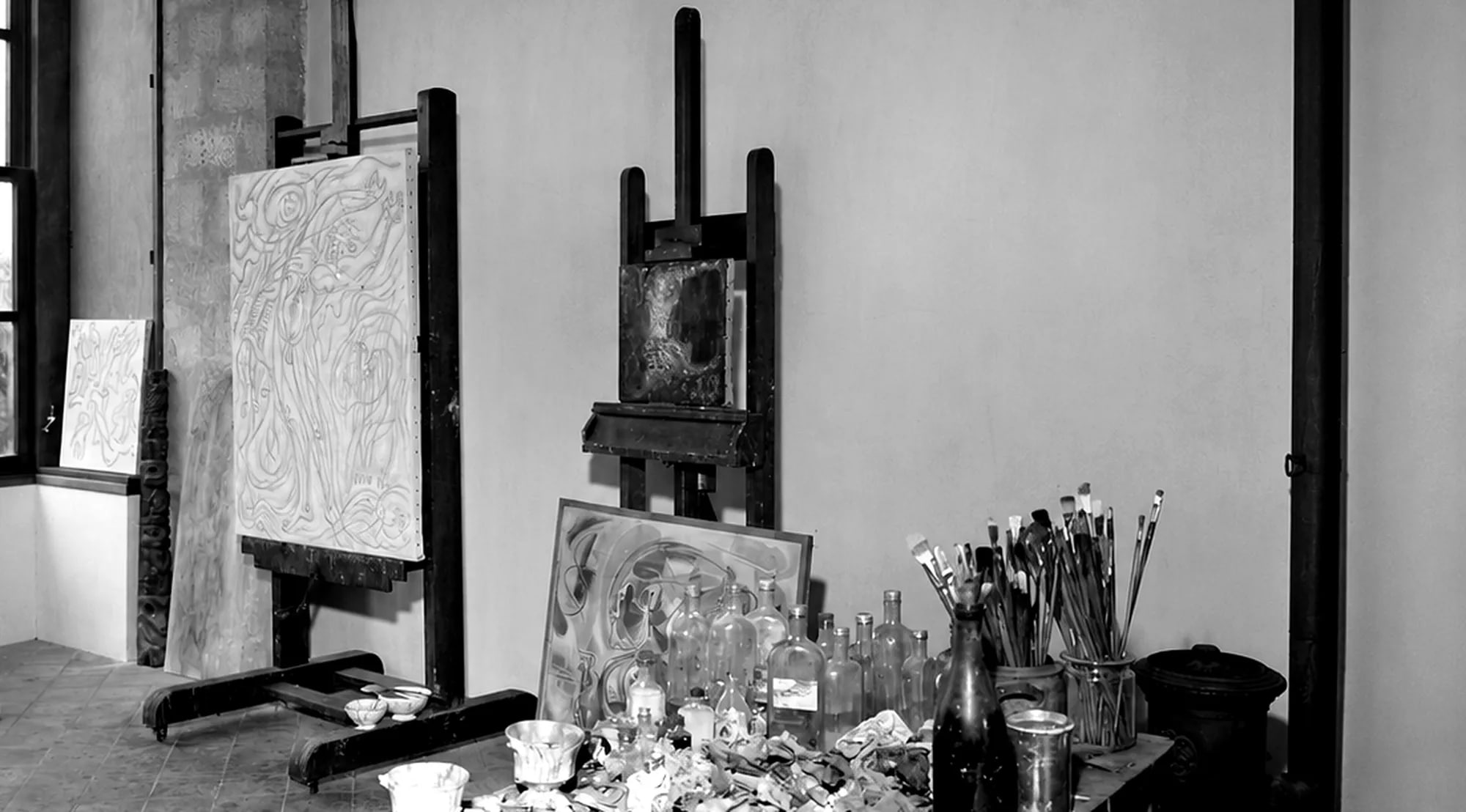
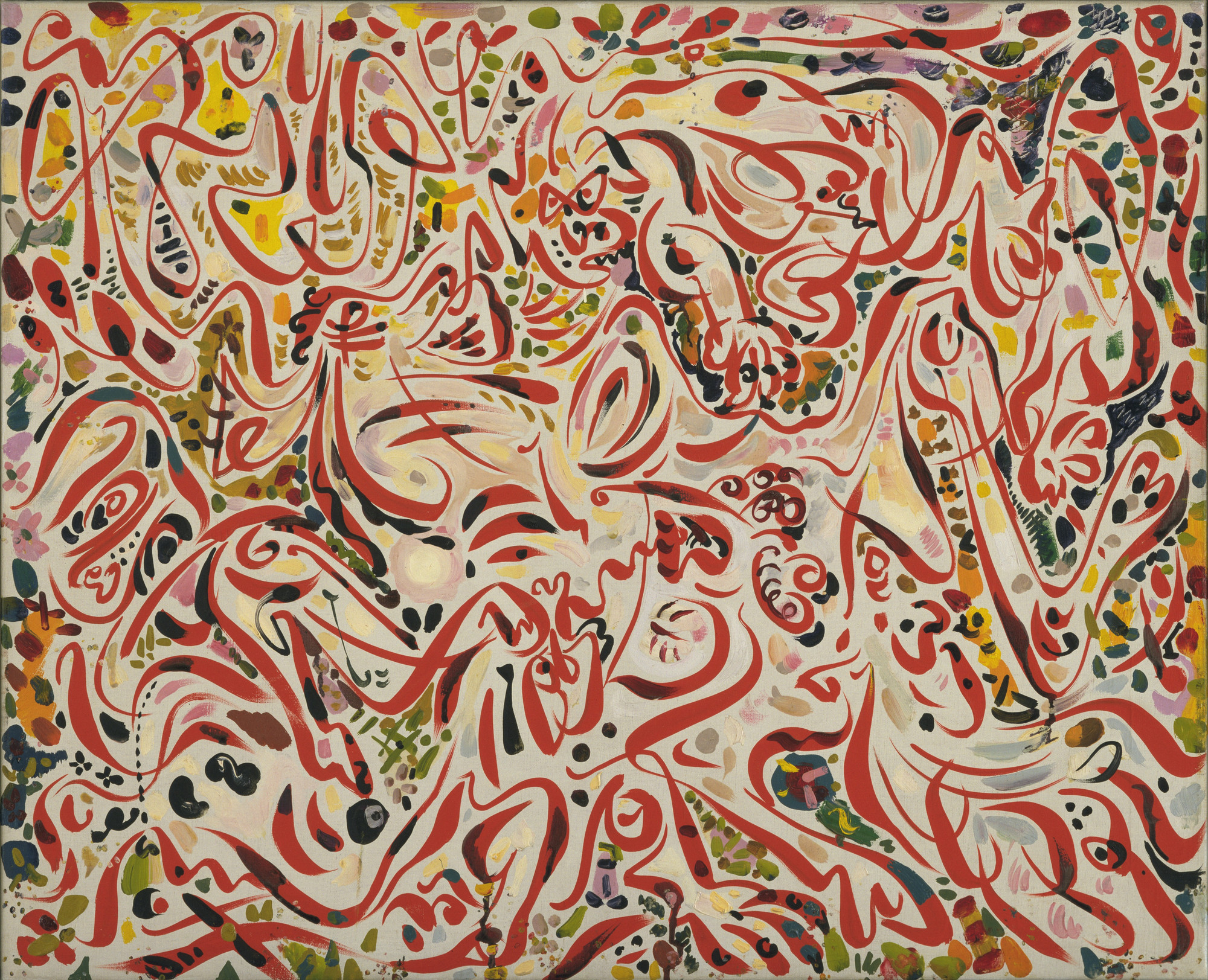
André Masson (Balagny-sur-Thérain, France, 1896 – Paris, France, 1987) became Surrealism's most restless experimenter by developing automatic drawing, letting the hand move faster than conscious control could follow so that images seemed to surface from the unconscious rather than being composed.
Trained in Brussels and Paris and grounded in Cubism, Masson was gravely wounded in the chest during the First World War, an injury that left his art with a lasting preoccupation with rupture and psychic instability. In the early 1920s he took a studio at 45 Rue Blomet, next door to his close friend Joan Miró; the two artists, and the circle of poets who gathered around them, formed one of the crucial informal laboratories of what would become Surrealism. In his automatic drawings, an unbroken, nervous line moves across the sheet without lifting, bodies metamorphosing into weapons, plants, or constellations mid-stroke, resisting the settled outlines of a finished figure. He extended the same logic into sand paintings, gluing loose sand to canvas in irregular drifts and letting chance, rather than the wrist, generate the final form.
Works
Projects
André Masson: Bodies, Cities, Kingdoms
Drawings from Automatism to Metamorphosis, 1924–1941
29 June - 27 November 2026
This project brings together six drawings made between 1924 and 1941, tracing Masson's transformation of drawing from automatic impulse into a language of metamorphosis.
View ProjectStories
Essay · Allison Hayes · July 14, 2026
André Masson in America
Automatism, Exile, and the Birth of the New York School
When André Masson arrived in New York in 1941, fleeing Vichy France through Varian Fry’s rescue network, he carried automatic drawings that startled customs officials. His exile would help reshape American painting and the emerging New York School.
Read More