
Jeff Koons

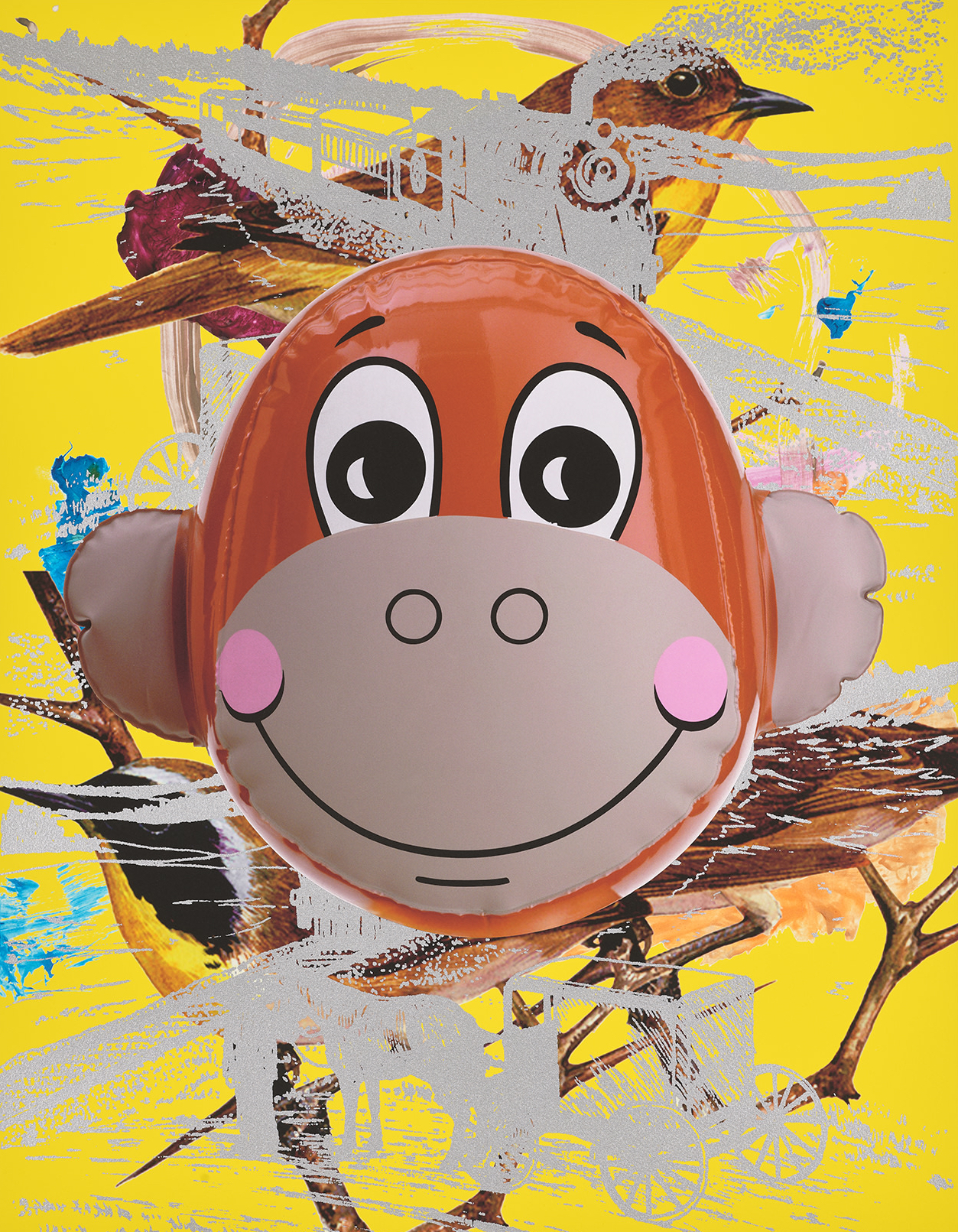
Jeff Koons (b. 1955, York, Pennsylvania) takes objects designed to be dismissed, inflatable toys, porcelain figurines, cartoon imagery, and remakes them with a level of technical and material refinement more often reserved for old-master painting or luxury manufacture, a transformation he insists should be received without embarrassment about what the objects originally were.
Koons studied at the Maryland Institute College of Art and the School of the Art Institute of Chicago before moving to New York, where he worked briefly as a Museum of Modern Art membership seller and a Wall Street commodities broker while developing his early work. His Equilibrium series (1985) suspended basketballs in tanks of precisely calibrated saline water, a feat of engineering disguised as a still life, before his Banality series brought him wide attention in the late 1980s, recasting kitsch and popular imagery in bronze and gold-leafed porcelain, epitomized by Michael Jackson and Bubbles (1988). Puppy (1992), a towering topiary West Highland terrier, and the stainless-steel Balloon Dog, part of the large-scale Celebration series begun in the early 1990s, extended his interest in inflatable, childlike forms built at monumental, industrial scale.
Works
Monkey Train (Birds), 2007
Screenprint and archival inkjet in colors on Somerset paper
32 3/4 x 26 1/8 in (83.2 x 66.4 cm)
Publications
Jeff Koons & Andy Warhol
Daniel Pinchbeck
Gagosian Gallery, New York, 2003
This publication places Andy Warhol and Jeff Koons in dialogue through their recurring use of flowers. It examines how both artists used repetition, artificiality, fabrication, and Pop visual language.
View More$245